The short version
- New models do not need an expensive portfolio to get started. Agencies first want simple, unedited digitals.
- A beginner portfolio usually starts with 6 to 10 strong images showing your face, body, and range.
- Test shoots, also called TFP or collaborative shoots, are a common way to build images without paying high fees.
- Choose images that match the type of modeling you want, such as commercial, fashion, fitness, or parts modeling.
- Be cautious with agencies that require you to buy photos from their own photographer before signing you.
A modeling portfolio, often called a book, is a collection of your best photos that shows clients and agencies what you look like and how you photograph. Many new models believe they need to spend thousands of dollars on a professional portfolio before approaching an agency. In reality, most agencies prefer to see a few simple, natural photos first. Here is how to build a portfolio from scratch the smart way.
Start With Digitals
Digitals, sometimes called polaroids, are simple photos with minimal makeup, plain clothing, natural light, and a plain background. Agencies use them to see what you really look like. If you are just starting, digitals matter more than styled shoots. Our guide to model digitals and comp cards explains exactly which shots to take.
Decide What Kind of Modeling You Want
Your portfolio should match the work you want to book:
- Commercial modeling: friendly, relatable images for ads, catalogs, and brands. Smiles and lifestyle shots are key.
- Fashion and editorial: stronger poses, styling, and movement. Height and measurement requirements are often stricter.
- Fitness: images that show athletic ability and conditioning.
- Parts modeling: close ups of hands, feet, or other features.
- Plus size and petite: growing markets with their own agencies and clients.
Learn more about different paths in our modeling auditions guide.
What to Include in a Beginner Portfolio
- A clean headshot with natural makeup
- A smiling headshot and a neutral or serious one
- A full length shot in fitted clothing
- A three quarter shot from mid thigh up
- A profile shot showing your side view
- One or two lifestyle or styled images that show personality and range
Quality beats quantity. Six to ten strong, recent images are better than thirty average ones.
How to Get Photos Without Overspending
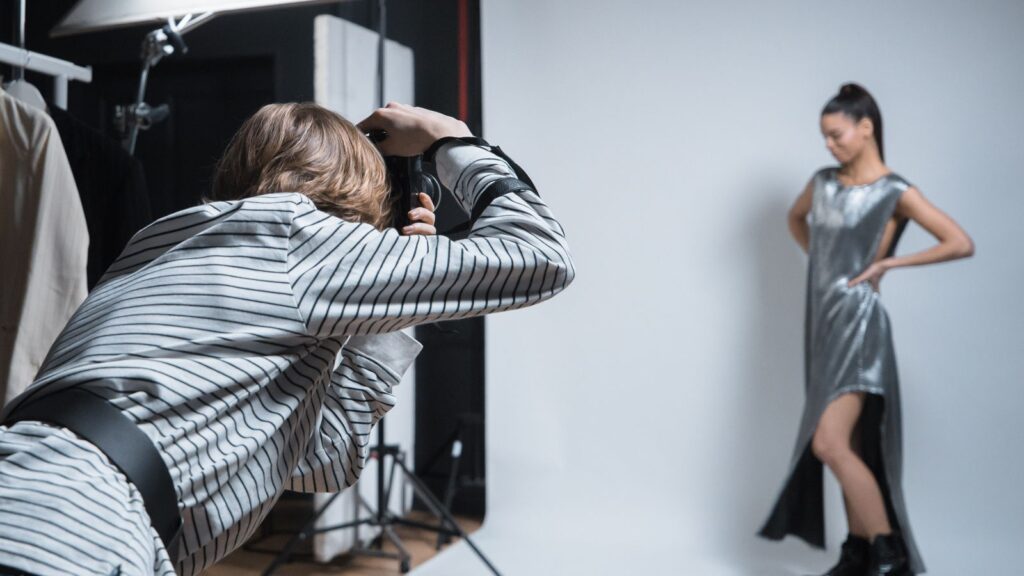
- Test shoots: photographers, makeup artists, and stylists building their own portfolios often collaborate with models in exchange for images. These are sometimes called TFP (time for prints) shoots. Always confirm usage rights in writing.
- Photography students: students need models for class projects and portfolios.
- Agency test photographers: once signed, your agency may recommend photographers. A legitimate agency will not force you to pay its own in house photographer as a condition of signing.
- Budget professional shoots: if you hire a photographer, review their portfolio and agree on the number of edited images upfront. See our tips on headshots on a budget.
Safety During Test Shoots
- Research the photographer’s work and reviews before agreeing to shoot.
- Shoot in public places or studios, and bring a friend or parent, especially if you are under 18.
- Agree on the concept, wardrobe, and image usage in advance.
- Never agree to nude or implied nude shoots under pressure.
Read more about staying safe in our guide on how to spot a fake casting call.
Organizing Your Portfolio
Most portfolios today are digital. Keep a folder of high resolution images ready to send, and consider a simple online portfolio or a model page with your measurements, location, and contact information. Put your strongest image first and your second strongest last. Update your book regularly, especially if your hair, weight, or look changes.
Comp Cards
A comp card is a one page printed or digital card with a headshot on the front and a few images plus your stats on the back. Agencies often create these for signed models. Our guide on digitals and comp cards covers what goes on one.
Frequently Asked Questions
Do I need a portfolio to apply to a modeling agency?
Usually not. Most agencies ask for simple digitals and your measurements. They help build your portfolio after signing you.
How much does a modeling portfolio cost?
It can cost very little if you use test shoots and digitals. Paid shoots vary widely by photographer and city.
How often should I update my portfolio?
Add new images whenever you have strong work, and replace outdated photos whenever your look changes.