
The short version
- A closet full of clothes absorbs echo and works as a cheap recording booth.
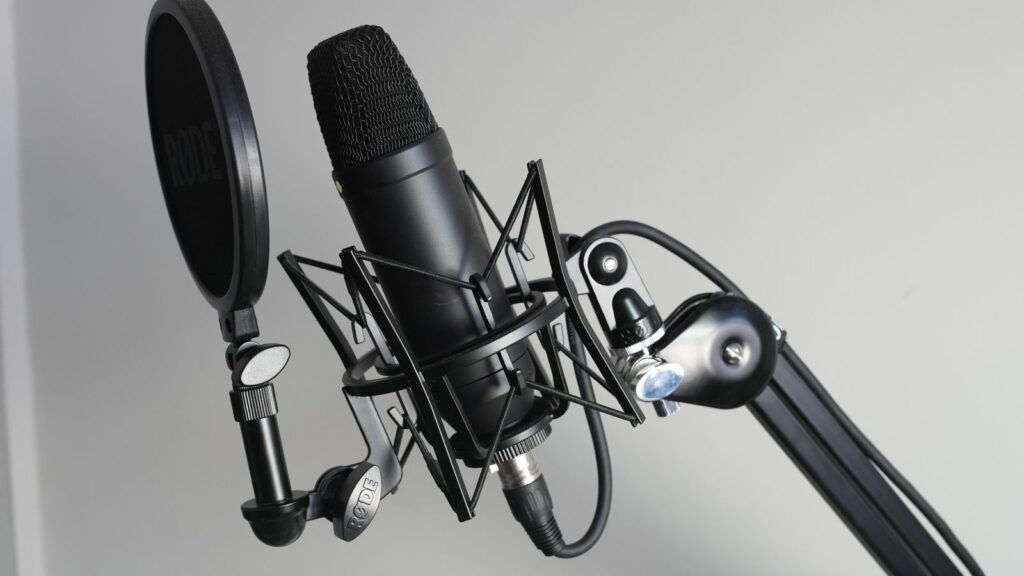
- Start with a USB mic, pop filter, closed back headphones, and free software.
- Commercials, animation, games, audiobooks, and e-learning all hire voice actors.
- Train and practice before paying for a professional demo.
Voice-over might be the most beginner friendly corner of the entertainment industry. Nobody sees your face, your height does not matter, and you can start practicing tonight in your own home. And yes, one of the best cheap recording spaces you already own is a closet full of clothes.
Why a closet works
Hard walls bounce sound around and create echo. Soft materials absorb it. A closet packed with hanging clothes is basically a small padded booth. Stand facing the clothes, not the empty wall, and you will hear the difference immediately.
Kinds of voice-over work
- Commercials for radio, TV, streaming, and online ads.
- Animation for cartoons and animated series.
- Video games, from characters to announcers.
- Audiobooks and narration.
- E-learning and corporate training videos, one of the steadiest categories.
A simple starter setup
- A USB microphone. A decent USB condenser or dynamic mic plugs straight into a computer.
- A pop filter to soften hard P and B sounds.
- Closed back headphones so you can hear yourself clearly.
- Free recording software such as Audacity.
- Your quiet, soft space. Closet, blanket fort, or a pillow wall.
Recording tips
- Stay about a hand’s width from the mic and keep the distance consistent.
- Turn off fans, heaters, and anything that hums.
- Record a few seconds of silence first so you can hear background noise.
- Drink water and avoid dairy right before recording if it affects your voice.
- Smile when the copy is happy. Listeners can hear it.
How to practice
Read commercial scripts from real ads, children’s books out loud, and video game dialogue. Record, listen back the next day, and note what sounded natural. Voice acting classes and coaching can speed things up a lot once you know you enjoy it.
Building a demo
A voice-over demo is a short reel that shows your range in one category, such as commercial or animation. Make it after you have practiced and taken some training. A demo that sounds professional is worth more than one made in a rush.
Watch out for scams here too
Be wary of anyone who promises guaranteed voice work if you buy an expensive demo package. Read how to spot a fake casting call.
Quick answers
Can I do voice-over with no experience?
Yes. Many people start by practicing at home and taking classes before submitting for work.
Why record voice-over in a closet?
Hanging clothes absorb sound reflections, which reduces echo and makes recordings sound cleaner.
What microphone should a beginner use?
A good quality USB microphone is enough to start practicing and learning.
What is a voice-over demo?
A short audio reel that showcases your voice in one category, used to get an agent or work.
Keep going: read the beginner’s playbook, or browse more Insights.
By the Acting Modeling Auditions team. Updated September 2026.
Our Voice-Over Gear Picks
- USB condenser microphone: studio sound without an interface
- Pop filter: no more popping P and B sounds
- Closed-back headphones: hear exactly what the mic hears
- Mic isolation shield: cuts room echo in any space
As an Amazon Associate we earn from qualifying purchases.