The short version
- Beginners usually get the most from an on camera or scene study class, plus an improv class to build confidence.
- A good class has a working teacher, small group sizes, and lots of time on your feet, not just lectures.
- Audit a class before you pay whenever possible, and ask what former students are booking.
- Be cautious with programs that promise agents, auditions, or bookings in exchange for large upfront fees.
- Consistency matters more than prestige. A weekly class you can afford beats an expensive weekend intensive.
Classes are the foundation of an acting career. They build your skills, give you material for auditions, introduce you to other actors, and help you understand how the industry works. But acting classes vary widely in quality and price. Here is how to choose the right one when you are just starting out.
Types of Acting Classes
- Scene study: you work on scenes from plays and screenplays with a partner, then receive feedback. This is the core of most actor training.
- On camera acting: focuses on the smaller, more natural style needed for film, TV, and commercials. Very useful for beginners who want to audition soon.
- Improv: builds confidence, listening, and quick thinking. Especially useful for commercial auditions, where improvising is common.
- Audition technique: covers cold reading, slating, self tapes, and how to make strong choices quickly. Pair it with our cold reading tips.
- Technique based training: classes rooted in approaches like Meisner, Stanislavski, Chekhov, or Uta Hagen. These often run as longer programs.
- Voice and movement: breath, diction, posture, and physical expression. Voice actors can also look at our guide to starting voice over from home.
Which Class Should a Beginner Take First?
If you want to audition for film, TV, or commercials, start with an on camera or beginning scene study class. Add improv if you feel nervous performing or want to book commercials. If your goal is theater, a scene study class combined with voice training is a strong start. Kids and teens usually do best in classes designed for their age group.
What Makes a Good Acting Class
- An experienced teacher who has worked professionally as an actor, director, or casting director and can explain why a choice works
- Small class sizes so every student works every session
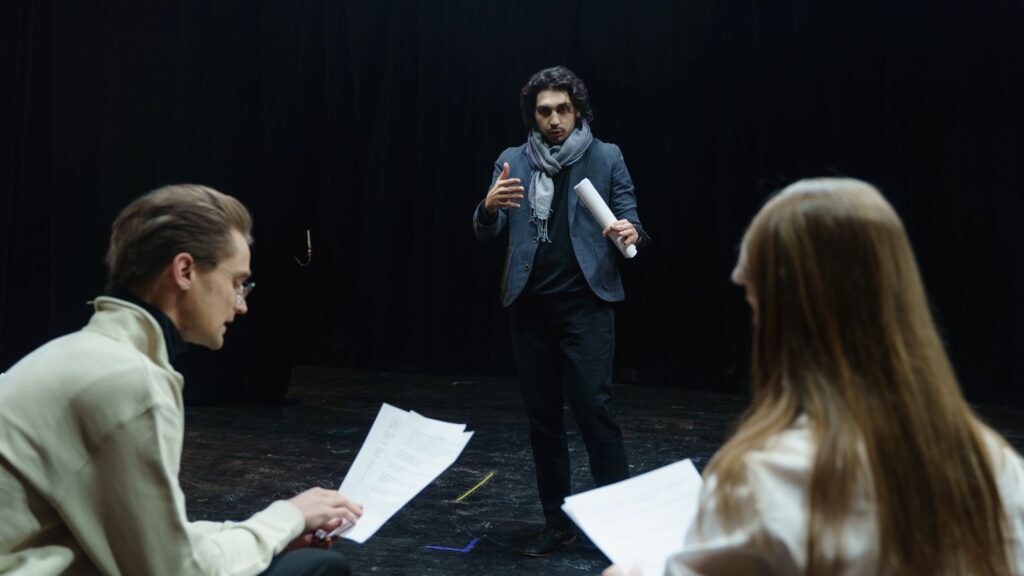
- Time on your feet. You should spend more time performing than listening.
- Honest, specific feedback delivered respectfully
- A safe environment with clear boundaries, especially for intimate or emotional material and for minors
- Clear pricing with no surprise add ons
Questions to Ask Before You Enroll
- Can I audit or observe a class first?
- How many students are in each class, and how often will I work?
- What is the teacher’s professional background?
- Is the class on camera, and will I receive footage?
- What are former students doing now?
- What is the refund or missed class policy?
Red Flags to Watch For
Most acting schools are legitimate, but some programs use classes as a way to sell expensive packages. Be cautious if a program:
- Promises you an agent, auditions, or bookings
- Requires a large upfront payment after a high pressure “audition” or open call
- Requires you to buy photos from their in house photographer
- Cannot tell you who teaches the class
- Discourages you from asking questions or reading contracts
Learn more warning signs in our guide on how to spot a fake casting call.
In Person vs Online Classes
In person classes offer live scene partners and immediate feedback, which is ideal for beginners. Online classes are more flexible and can connect you with teachers in major markets, and they are very useful for self tape skills. Many actors combine both.
How Much Do Acting Classes Cost?
Costs vary by city and format. Community theaters, recreation centers, and community colleges often offer affordable beginner classes. Private studios in major markets charge more. Rather than chasing the most expensive program, look for a class you can attend consistently for several months.
Getting the Most From Class
- Memorize your material before class so you can focus on acting.
- Watch other students work. You learn a lot from their notes.
- Take notes after each class.
- Apply what you learn in real auditions. Our guide on preparing for your first acting audition is a good next step.
Frequently Asked Questions
Do I need acting classes to get an agent?
Not always, but agents often want to see ongoing training on your resume. Classes also help you audition well enough to impress them.
How long should I take classes?
Many working actors keep training throughout their careers. As a beginner, plan on at least several months of consistent classes.
Are online acting classes worth it?
They can be, especially for on camera and self tape technique. Look for small live sessions with individual feedback.